

Get your science and technology news from South Korea
Provided by AGP
PCB Manufacturing Plant Setup, Feasibility Study, ROI Analysis and Business Plan Consultant
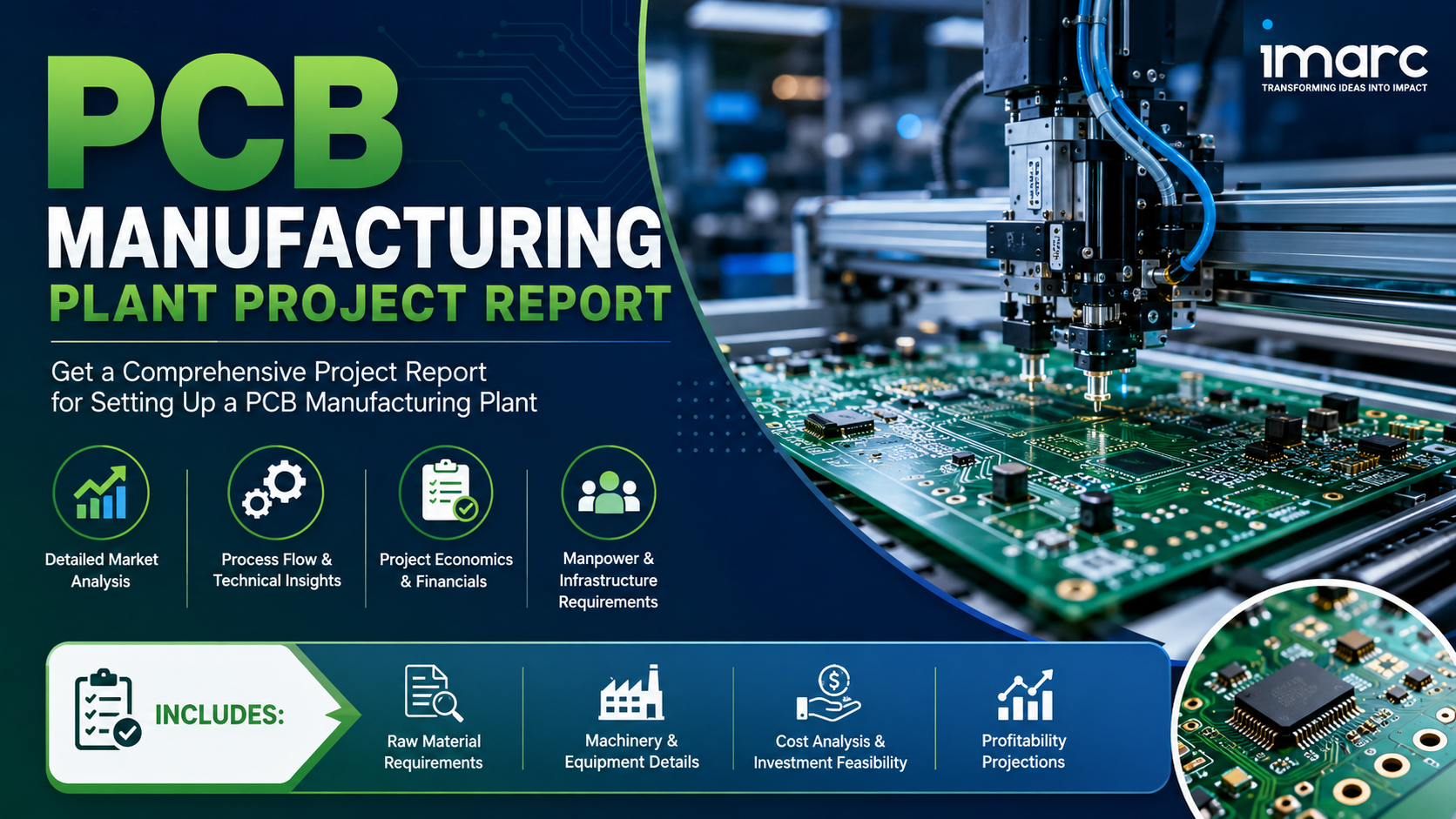
A Detailed DPR Covering CapEx, OpEx, Process Design, ROI Analysis, and Global Opportunity in Multilayer, Flexible, and HDI Printed Circuit Board Manufacturing
BROOKLYN, NY, UNITED STATES, May 19, 2026 /EINPresswire.com/ -- Setting up a PCB manufacturing plant puts you at the centre of every major technology megatrend running simultaneously - smartphones, electric vehicles, 5G infrastructure, industrial automation, and medical electronics. Every one of these products is impossible without a printed circuit board. Global production is concentrated in China, Taiwan, and South Korea, and manufacturers across the US, Europe, and India are all actively looking to diversify supply chains. That China-plus-one shift is funded investment moving into new geographies right now, creating the clearest commercial window for PCB fabrication plant setup that has existed in a decade.IMARC Group’s PCB Manufacturing Plant Project Report is a complete DPR and PCB manufacturing feasibility study for investors, electronics manufacturers, and project developers entering this space. It covers the full printed circuit board manufacturing plant setup - from laminate preparation through imaging, drilling, plating, and testing - with complete PCB plant CapEx and OpEx modelling and 10-year financial projections.
𝐑𝐞𝐪𝐮𝐞𝐬𝐭 𝐟𝐨𝐫 𝐚 𝐒𝐚𝐦𝐩𝐥𝐞 𝐑𝐞𝐩𝐨𝐫𝐭: https://www.imarcgroup.com/pcb-manufacturing-plant-project-report/requestsample
𝐈𝐧𝐯𝐞𝐬𝐭𝐦𝐞𝐧𝐭 𝐃𝐫𝐢𝐯𝐞𝐫𝐬 𝐚𝐧𝐝 𝐌𝐚𝐫𝐤𝐞𝐭 𝐎𝐩𝐩𝐨𝐫𝐭𝐮𝐧𝐢𝐭𝐲
Three demand forces are driving the current investment window for PCB manufacturing:
𝐄𝐕 𝐚𝐝𝐨𝐩𝐭𝐢𝐨𝐧 𝐫𝐞𝐰𝐫𝐢𝐭𝐢𝐧𝐠 𝐝𝐞𝐦𝐚𝐧𝐝: Electric vehicles contain three to four times more PCB content per unit than conventional cars. Every EV has boards in its battery management system, motor control unit, ADAS module, infotainment system, and power electronics. Global EV sales surpassed 17 million units in 2024, accounting for over 20% of all car sales worldwide (IEA). As EV penetration continues to rise, total PCB demand from automotive is growing at a pace the industry has not seen before.
𝟓𝐆 𝐚𝐧𝐝 𝐈𝐨𝐓 𝐦𝐮𝐥𝐭𝐢𝐩𝐥𝐲𝐢𝐧𝐠 𝐛𝐨𝐚𝐫𝐝 𝐜𝐨𝐦𝐩𝐥𝐞𝐱𝐢𝐭𝐲: 5G base stations require high-frequency multilayer boards with far tighter tolerances than 4G equipment. IoT devices - industrial sensors, smart home equipment, wearables - require compact, high-density HDI PCBs. Both applications drive demand for more technically advanced and higher-margin product categories.
𝐂𝐡𝐢𝐧𝐚-𝐩𝐥𝐮𝐬-𝐨𝐧𝐞 𝐜𝐫𝐞𝐚𝐭𝐢𝐧𝐠 𝐧𝐞𝐰 𝐜𝐚𝐩𝐚𝐜𝐢𝐭𝐲 𝐝𝐞𝐦𝐚𝐧𝐝: China holds 50-60% of global capacity. Geopolitical risk, tariff pressure, and supply chain resilience requirements are pushing OEMs and EMS companies to actively dual-source or relocate procurement. Vietnam, India, Malaysia, and Mexico are the primary beneficiaries. For investors in these geographies, buyers are already looking - the PCB plant investment opportunity is market-pull, not market-push.
𝐏𝐂𝐁 𝐓𝐲𝐩𝐞𝐬 𝐚𝐧𝐝 𝐏𝐫𝐨𝐝𝐮𝐜𝐭 𝐑𝐚𝐧𝐠𝐞
The product range of a facility determines its end markets, machinery requirements, and margin profile. Main categories:
• 𝐒𝐢𝐧𝐠𝐥𝐞 𝐚𝐧𝐝 𝐝𝐨𝐮𝐛𝐥𝐞-𝐬𝐢𝐝𝐞𝐝 𝐏𝐂𝐁𝐬: Lowest complexity and capital requirement. Used in consumer appliances, LED lighting, power supplies, and basic industrial controls. Entry-level product for new facilities building process capability and certifications.
• 𝐌𝐮𝐥𝐭𝐢𝐥𝐚𝐲𝐞𝐫 𝐏𝐂𝐁 𝐦𝐚𝐧𝐮𝐟𝐚𝐜𝐭𝐮𝐫𝐢𝐧𝐠: Four to sixty-plus copper layers laminated together. Standard product for smartphones, laptops, automotive ECUs, and networking gear. The largest volume segment globally. A multilayer PCB manufacturing plant is the commercial entry point for serious volume production.
• 𝐇𝐃𝐈 (𝐇𝐢𝐠𝐡 𝐃𝐞𝐧𝐬𝐢𝐭𝐲 𝐈𝐧𝐭𝐞𝐫𝐜𝐨𝐧𝐧𝐞𝐜𝐭) 𝐏𝐂𝐁𝐬: Laser-drilled microvias enabling far higher circuit density. Required for flagship smartphones, wearables, medical implants, and advanced automotive modules. HDI PCB manufacturing cost is higher but margins are significantly better. The fastest-growing segment.
• 𝐅𝐥𝐞𝐱𝐢𝐛𝐥𝐞 𝐏𝐂𝐁 𝐦𝐚𝐧𝐮𝐟𝐚𝐜𝐭𝐮𝐫𝐢𝐧𝐠 𝐩𝐥𝐚𝐧𝐭: Substrate bends or folds to fit non-planar geometries. Used in cameras, foldable devices, automotive dashboards, and aerospace. A flexible PCB manufacturing plant commands premium pricing versus standard rigid boards.
• 𝐇𝐢𝐠𝐡-𝐟𝐫𝐞𝐪𝐮𝐞𝐧𝐜𝐲 𝐚𝐧𝐝 𝐑𝐅 𝐏𝐂𝐁𝐬: Specialist laminates for radar, satellite, defence, and 5G mm Wave equipment. Low-volume, high-margin, technically demanding. Preferred target for manufacturers with process depth and defence sector relationships.
𝐏𝐂𝐁 𝐌𝐚𝐧𝐮𝐟𝐚𝐜𝐭𝐮𝐫𝐢𝐧𝐠 𝐏𝐥𝐚𝐧𝐭 𝐅𝐞𝐚𝐬𝐢𝐛𝐢𝐥𝐢𝐭𝐲 𝐑𝐞𝐩𝐨𝐫𝐭: https://www.imarcgroup.com/pcb-manufacturing-plant-project-report
𝐇𝐨𝐰 𝐚 𝐏𝐂𝐁 𝐌𝐚𝐧𝐮𝐟𝐚𝐜𝐭𝐮𝐫𝐢𝐧𝐠 𝐏𝐥𝐚𝐧𝐭 𝐖𝐨𝐫𝐤𝐬 - 𝐓𝐡𝐞 𝐏𝐫𝐨𝐝𝐮𝐜𝐭𝐢𝐨𝐧 𝐏𝐫𝐨𝐜𝐞𝐬𝐬
A printed circuit board facility follows a precise multi-step sequence. Each step requires tight process control - yield loss at any stage directly impacts cost per board and margin:
• 𝐒𝐮𝐛𝐬𝐭𝐫𝐚𝐭𝐞 𝐩𝐫𝐞𝐩𝐚𝐫𝐚𝐭𝐢𝐨𝐧: FR-4 copper-clad laminate is cut to panel size. For multilayer boards, individual core layers are prepared separately before lamination
• 𝐈𝐧𝐧𝐞𝐫 𝐥𝐚𝐲𝐞𝐫 𝐢𝐦𝐚𝐠𝐢𝐧𝐠 (𝐩𝐡𝐨𝐭𝐨𝐥𝐢𝐭𝐡𝐨𝐠𝐫𝐚𝐩𝐡𝐲): Photo-sensitive dry film is applied, exposed under UV through a circuit artwork film, and developed. Unexposed copper is etched away, leaving the circuit traces
• 𝐎𝐱𝐢𝐝𝐞 𝐭𝐫𝐞𝐚𝐭𝐦𝐞𝐧𝐭 𝐚𝐧𝐝 𝐥𝐚𝐦𝐢𝐧𝐚𝐭𝐢𝐨𝐧: Inner layers are treated and bonded together with prepreg under heat and pressure. Precise registration between layers is critical for high-layer-count boards
• 𝐃𝐫𝐢𝐥𝐥𝐢𝐧𝐠: CNC mechanical drilling creates through-holes. Laser drilling creates microvias in HDI boards. Drill bit diameter, spindle speed, and feed rate all affect hole quality and PCB manufacturing unit cost
• 𝐂𝐨𝐩𝐩𝐞𝐫 𝐩𝐥𝐚𝐭𝐢𝐧𝐠: Electroless and electrolytic copper plating deposits copper on hole walls to create electrical connections between layers. One of the most chemistry-intensive steps
• 𝐎𝐮𝐭𝐞𝐫 𝐥𝐚𝐲𝐞𝐫 𝐢𝐦𝐚𝐠𝐢𝐧𝐠 𝐚𝐧𝐝 𝐞𝐭𝐜𝐡𝐢𝐧𝐠: Same photolithography sequence on outer layers, followed by pattern plating and final etching to define outer copper circuit
• 𝐒𝐨𝐥𝐝𝐞𝐫 𝐦𝐚𝐬𝐤 𝐚𝐩𝐩𝐥𝐢𝐜𝐚𝐭𝐢𝐨𝐧: Liquid photo-imageable solder mask applied, exposed, and developed to protect copper traces while leaving pads exposed for soldering
• 𝐒𝐮𝐫𝐟𝐚𝐜𝐞 𝐟𝐢𝐧𝐢𝐬𝐡: HASL, ENIG (electroless nickel immersion gold), or OSP applied to exposed pads. ENIG is standard for fine-pitch components; HASL for cost-sensitive applications
• 𝐄𝐥𝐞𝐜𝐭𝐫𝐢𝐜𝐚𝐥 𝐭𝐞𝐬𝐭𝐢𝐧𝐠 𝐚𝐧𝐝 𝐟𝐢𝐧𝐚𝐥 𝐐𝐂: Automated optical inspection (AOI), flying probe electrical testing, and dimensional inspection. Yield and test pass rate are the key operational performance metrics
𝐏𝐥𝐚𝐧𝐭 𝐈𝐧𝐯𝐞𝐬𝐭𝐦𝐞𝐧𝐭 𝐄𝐜𝐨𝐧𝐨𝐦𝐢𝐜𝐬
𝐏𝐫𝐨𝐝𝐮𝐜𝐭𝐢𝐨𝐧 𝐂𝐚𝐩𝐚𝐜𝐢𝐭𝐲:
• Proposed facility designed for 6-10 million square metres per annum
• Modular line configuration allows starting with standard multilayer capability and adding HDI or rigid-flex lines as customer qualifications are secured
𝐏𝐫𝐨𝐟𝐢𝐭𝐚𝐛𝐢𝐥𝐢𝐭𝐲 𝐁𝐞𝐧𝐜𝐡𝐦𝐚𝐫𝐤𝐬:
• 𝐆𝐫𝐨𝐬𝐬 𝐩𝐫𝐨𝐟𝐢𝐭 𝐦𝐚𝐫𝐠𝐢𝐧: 30-35%, supported by stable demand and value-added product mix
• 𝐍𝐞𝐭 𝐩𝐫𝐨𝐟𝐢𝐭 𝐦𝐚𝐫𝐠𝐢𝐧: 12-20% after financing costs, depreciation, and taxes
𝐎𝐩𝐞𝐫𝐚𝐭𝐢𝐧𝐠 𝐂𝐨𝐬𝐭 (𝐎𝐩𝐄𝐱) 𝐁𝐫𝐞𝐚𝐤𝐝𝐨𝐰𝐧:
• 𝐑𝐚𝐰 𝐦𝐚𝐭𝐞𝐫𝐢𝐚𝐥𝐬 (𝐜𝐨𝐩𝐩𝐞𝐫-𝐜𝐥𝐚𝐝 𝐥𝐚𝐦𝐢𝐧𝐚𝐭𝐞, 𝐜𝐨𝐩𝐩𝐞𝐫 𝐟𝐨𝐢𝐥, 𝐩𝐫𝐨𝐜𝐞𝐬𝐬 𝐜𝐡𝐞𝐦𝐢𝐜𝐚𝐥𝐬, 𝐝𝐫𝐲 𝐟𝐢𝐥𝐦): 40-50% of total OpEx. Copper is the primary cost driver and most price-volatile input
• 𝐔𝐭𝐢𝐥𝐢𝐭𝐢𝐞𝐬 (𝐩𝐨𝐰𝐞𝐫, 𝐰𝐚𝐭𝐞𝐫, 𝐜𝐨𝐦𝐩𝐫𝐞𝐬𝐬𝐞𝐝 𝐚𝐢𝐫, 𝐜𝐡𝐞𝐦𝐢𝐜𝐚𝐥 𝐭𝐫𝐞𝐚𝐭𝐦𝐞𝐧𝐭): 20-25% of OpEx. PCB fabrication is energy and water-intensive, particularly plating and etching
• 𝐋𝐚𝐛𝐨𝐮𝐫, 𝐦𝐚𝐢𝐧𝐭𝐞𝐧𝐚𝐧𝐜𝐞, 𝐪𝐮𝐚𝐥𝐢𝐭𝐲 𝐬𝐲𝐬𝐭𝐞𝐦𝐬, 𝐚𝐧𝐝 𝐨𝐯𝐞𝐫𝐡𝐞𝐚𝐝: remaining share. Automation level significantly affects the labour component and overall PCB manufacturing unit cost
𝐏𝐂𝐁 𝐏𝐥𝐚𝐧𝐭 𝐂𝐚𝐩𝐄𝐱 𝐂𝐨𝐦𝐩𝐨𝐧𝐞𝐧𝐭𝐬:
• Land and cleanroom-grade facility construction
• Core process equipment: exposure units, etching lines, multilayer press, CNC drilling machines, copper plating lines, solder mask application, surface finish lines
• Inspection and test equipment: AOI systems, flying probe testers, electrical test fixtures
• Chemical treatment and effluent systems: wastewater treatment for acid and copper recovery
• Pre-operative costs, process qualification expenses, customer audit preparation, and initial working capital
𝐒𝐩𝐞𝐚𝐤 𝐭𝐨 𝐀𝐧𝐚𝐥𝐲𝐬𝐭 𝐟𝐨𝐫 𝐂𝐮𝐬𝐭𝐨𝐦𝐢𝐳𝐞𝐝 𝐑𝐞𝐩𝐨𝐫𝐭: https://www.imarcgroup.com/request?type=report&id=9086&flag=C
𝐆𝐥𝐨𝐛𝐚𝐥 𝐌𝐚𝐫𝐤𝐞𝐭 𝐚𝐧𝐝 𝐑𝐞𝐠𝐢𝐨𝐧𝐚𝐥 𝐃𝐞𝐦𝐚𝐧𝐝
The global PCB market, valued at USD 75.51 billion in 2025, is projected to reach USD 101.14 billion by 2034 at a CAGR of 3.3%. Asia-Pacific dominates both production and consumption, accounting for over 85% of global manufacturing capacity.
𝐈𝐧𝐝𝐢𝐚: India imports 88% of its bare PCBs - approximately USD 3.7 billion in FY2024-25 - with domestic production at only USD 600 million. The PLI scheme for electronics components (approved March 2025, outlay ₹22,919 crore) specifically targets multi-layer and HDI printed circuit board manufacturing. By October 2025, industry had committed over ₹1.15 lakh crore across 249 PLI applications. The domestic PCB market is projected to reach USD 14 billion by FY2030. For new entrants, India offers incentives, a rapidly growing domestic electronics sector, and an import dependency waiting to be replaced.
𝐂𝐡𝐢𝐧𝐚: Controls 50-60% of global capacity. Trade tensions, tariff exposure, and deliberate OEM supply chain diversification are creating structural demand for non-Chinese capacity. China’s dominance is the primary reason PCB manufacturing investment outside Asia is viable for the first time in two decades.
𝐔𝐧𝐢𝐭𝐞𝐝 𝐒𝐭𝐚𝐭𝐞𝐬: The CHIPS and Science Act and defence procurement regulations are pushing domestic production through direct investment incentives and local-content requirements. The Department of Defense has identified PCBs as a critical supply chain vulnerability, creating government-backed demand for domestically manufactured boards.
𝐓𝐚𝐢𝐰𝐚𝐧 𝐚𝐧𝐝 𝐒𝐨𝐮𝐭𝐡 𝐊𝐨𝐫𝐞𝐚: Both are global leaders in high-end PCB technology - HDI, IC substrates, and high-frequency boards. Taiwan’s industry is closely integrated with its semiconductor ecosystem. Korean manufacturers lead in automotive and display-driver PCBs.
𝐄𝐮𝐫𝐨𝐩𝐞: Germany, Austria, and Czech Republic have established PCB manufacturing clusters serving automotive OEMs. EU industrial policy is incentivising electronics component localisation to reduce Asia dependency.
𝐕𝐢𝐞𝐭𝐧𝐚𝐦 𝐚𝐧𝐝 𝐌𝐚𝐥𝐚𝐲𝐬𝐢𝐚: Emerging as primary China-plus-one destinations. Active FDI pipelines from US and Japanese companies relocating manufacturing. Lower labour costs and trade agreement access make them competitive for mid-complexity multilayer PCB fabrication plant setup.
𝐒𝐢𝐭𝐞 𝐒𝐞𝐥𝐞𝐜𝐭𝐢𝐨𝐧 𝐚𝐧𝐝 𝐏𝐨𝐥𝐢𝐜𝐲 𝐒𝐮𝐩𝐩𝐨𝐫𝐭
Location and policy decisions for a PCB manufacturing plant setup directly affect capital cost, qualification timelines, and buyer access:
• 𝐏𝐫𝐨𝐱𝐢𝐦𝐢𝐭𝐲 𝐭𝐨 𝐞𝐥𝐞𝐜𝐭𝐫𝐨𝐧𝐢𝐜𝐬 𝐦𝐚𝐧𝐮𝐟𝐚𝐜𝐭𝐮𝐫𝐢𝐧𝐠 𝐜𝐥𝐮𝐬𝐭𝐞𝐫𝐬: PCBs are intermediate components - customers are EMS companies, OEMs, and electronics
assemblers. Locating within a cluster reduces logistics cost, supports just-in-time delivery, and simplifies customer qualification. In India, clusters in Tamil Nadu, Andhra Pradesh, and the NCR region are primary targets
• 𝐂𝐥𝐞𝐚𝐧𝐫𝐨𝐨𝐦 𝐚𝐧𝐝 𝐮𝐭𝐢𝐥𝐢𝐭𝐢𝐞𝐬 𝐢𝐧𝐟𝐫𝐚𝐬𝐭𝐫𝐮𝐜𝐭𝐮𝐫𝐞: PCB fabrication requires clean water for rinse stages and stable power for plating lines. Industrial parks with dedicated utilities reduce installation cost and compliance complexity
• 𝐂𝐡𝐞𝐦𝐢𝐜𝐚𝐥 𝐡𝐚𝐧𝐝𝐥𝐢𝐧𝐠 𝐚𝐧𝐝 𝐞𝐟𝐟𝐥𝐮𝐞𝐧𝐭 𝐜𝐨𝐦𝐩𝐥𝐢𝐚𝐧𝐜𝐞: Copper and acid-bearing effluent must be treated before discharge. Proximity to industrial chemical suppliers and a permitted effluent treatment system are baseline requirements globally
• 𝐆𝐨𝐯𝐞𝐫𝐧𝐦𝐞𝐧𝐭 𝐢𝐧𝐜𝐞𝐧𝐭𝐢𝐯𝐞𝐬 𝐛𝐲 𝐠𝐞𝐨𝐠𝐫𝐚𝐩𝐡𝐲: India - PLI scheme (₹22,919 crore), SPECS, ECMS covering capital subsidy and production incentive. US - CHIPS Act manufacturing tax credits and DoD preferred supplier programmes. Europe - IPCEI funding for electronics components. Vietnam and Malaysia - corporate tax holidays and free trade zone benefits
• 𝐂𝐮𝐬𝐭𝐨𝐦𝐞𝐫 𝐪𝐮𝐚𝐥𝐢𝐟𝐢𝐜𝐚𝐭𝐢𝐨𝐧 𝐭𝐢𝐦𝐞𝐥𝐢𝐧𝐞: PCB manufacturing requires formal customer qualification before volume orders begin. PCB manufacturing business plan must factor 6-12 months qualification time with anchor customers as part of the financial model
𝐑𝐞𝐩𝐨𝐫𝐭 𝐂𝐨𝐯𝐞𝐫𝐚𝐠𝐞
IMARC Group’s PCB Plant Project Report is a complete PCB manufacturing business plan and technical reference for investment decisions, bank financing, and engineering planning:
• Full process flow with mass balance covering all stages from substrate preparation through imaging, lamination, drilling, plating, finishing, testing, and dispatch
• PCB plant CapEx breakdown: exposure and imaging equipment, drilling machines, plating lines, lamination press, surface finish lines, AOI and test systems, effluent treatment
• 10-year OpEx projections: copper laminate procurement, chemicals, utilities, manpower, maintenance
• Financial model: PCB plant ROI, IRR, NPV, DSCR, break-even, and sensitivity tables across copper price and capacity utilisation scenarios
• Machinery specifications with sourcing options across Chinese, Taiwanese, European, and Japanese equipment suppliers
• Product mix strategy: standard multilayer versus HDI and flexible PCB manufacturing plant - margin and market access comparison
• Printed circuit board plant setup cost benchmarking across different capacity configurations and automation levels
• Regulatory compliance and customer qualification framework with PCB plant investment justification templates across India, US, EU, and Southeast Asia
The report is relevant for electronics entrepreneurs evaluating a PCB fabrication plant, EMS companies considering vertical integration, private equity funds assessing electronics component investments, government agencies supporting domestic PCB capacity development, and banks requiring a bankable PCB manufacturing feasibility study for project financing - across any geography.
𝐁𝐫𝐨𝐰𝐬𝐞 𝐌𝐨𝐫𝐞 𝐅𝐞𝐚𝐬𝐢𝐛𝐢𝐥𝐢𝐭𝐲 𝐒𝐭𝐮𝐝𝐲 𝐚𝐧𝐝 𝐁𝐮𝐬𝐢𝐧𝐞𝐬𝐬 𝐏𝐥𝐚𝐧 𝐑𝐞𝐩𝐨𝐫𝐭𝐬 𝐛𝐲 𝐈𝐌𝐀𝐑𝐂 𝐆𝐫𝐨𝐮𝐩:
• 𝗥𝗮𝗿𝗲 𝗘𝗮𝗿𝘁𝗵 𝗠𝗮𝗴𝗻𝗲𝘁 𝗠𝗮𝗻𝘂𝗳𝗮𝗰𝘁𝘂𝗿𝗶𝗻𝗴 𝗣𝗹𝗮𝗻𝘁 𝗣𝗿𝗼𝗷𝗲𝗰𝘁 𝗥𝗲𝗽𝗼𝗿𝘁: https://www.imarcgroup.com/rare-earth-magnet-manufacturing-plant-project-report
• 𝗦𝗶𝗹𝗶𝗰𝗮 𝗣𝗿𝗼𝗱𝘂𝗰𝘁𝗶𝗼𝗻 𝗣𝗹𝗮𝗻𝘁 𝗣𝗿𝗼𝗷𝗲𝗰𝘁 𝗥𝗲𝗽𝗼𝗿𝘁: https://www.imarcgroup.com/silica-manufacturing-plant-project-report
• 𝗚𝗲𝗻𝗲𝗿𝗶𝗰 𝗜𝗻𝗷𝗲𝗰𝘁𝗮𝗯𝗹𝗲𝘀 𝗠𝗮𝗻𝘂𝗳𝗮𝗰𝘁𝘂𝗿𝗶𝗻𝗴 𝗣𝗹𝗮𝗻𝘁 𝗣𝗿𝗼𝗷𝗲𝗰𝘁 𝗥𝗲𝗽𝗼𝗿𝘁: https://www.imarcgroup.com/generic-injectables-manufacturing-plant-project-report
• 𝗜𝗻𝗱𝘂𝘀𝘁𝗿𝗶𝗮𝗹 𝗘𝗻𝘇𝘆𝗺𝗲𝘀 𝗠𝗮𝗻𝘂𝗳𝗮𝗰𝘁𝘂𝗿𝗶𝗻𝗴 𝗣𝗹𝗮𝗻𝘁 𝗣𝗿𝗼𝗷𝗲𝗰𝘁 𝗥𝗲𝗽𝗼𝗿𝘁: https://www.imarcgroup.com/industrial-enzymes-manufacturing-plant-project-report
• 𝗟𝗘𝗗 𝗖𝗵𝗶𝗽 𝗠𝗮𝗻𝘂𝗳𝗮𝗰𝘁𝘂𝗿𝗶𝗻𝗴 𝗣𝗹𝗮𝗻𝘁 𝗣𝗿𝗼𝗷𝗲𝗰𝘁 𝗥𝗲𝗽𝗼𝗿𝘁: https://www.imarcgroup.com/led-chip-manufacturing-plant-project-report
• 𝗟𝗶𝗾𝘂𝗶𝗱 𝗗𝗲𝘁𝗲𝗿𝗴𝗲𝗻𝘁 𝗠𝗮𝗻𝘂𝗳𝗮𝗰𝘁𝘂𝗿𝗶𝗻𝗴 𝗣𝗹𝗮𝗻𝘁 𝗣𝗿𝗼𝗷𝗲𝗰𝘁 𝗥𝗲𝗽𝗼𝗿𝘁: https://www.imarcgroup.com/liquid-detergent-manufacturing-plant-project-report
• 𝗘-𝗿𝗶𝗰𝗸𝘀𝗵𝗮𝘄 𝗠𝗮𝗻𝘂𝗳𝗮𝗰𝘁𝘂𝗿𝗶𝗻𝗴 𝗣𝗹𝗮𝗻𝘁 𝗣𝗿𝗼𝗷𝗲𝗰𝘁 𝗥𝗲𝗽𝗼𝗿𝘁: https://www.imarcgroup.com/e-rickshaw-manufacturing-plant-project-report
• 𝗘𝗿𝘄 𝗦𝘁𝗲𝗲𝗹 𝗣𝗶𝗽𝗲𝘀 𝗠𝗮𝗻𝘂𝗳𝗮𝗰𝘁𝘂𝗿𝗶𝗻𝗴 𝗣𝗹𝗮𝗻𝘁 𝗣𝗿𝗼𝗷𝗲𝗰𝘁 𝗥𝗲𝗽𝗼𝗿𝘁: https://www.imarcgroup.com/erw-steel-pipes-manufacturing-plant-project-report
• 𝗙𝗶𝗯𝗲𝗿 𝗚𝗹𝗮𝘀𝘀 𝗠𝗮𝗻𝘂𝗳𝗮𝗰𝘁𝘂𝗿𝗶𝗻𝗴 𝗣𝗹𝗮𝗻𝘁 𝗣𝗿𝗼𝗷𝗲𝗰𝘁 𝗥𝗲𝗽𝗼𝗿𝘁: https://www.imarcgroup.com/fiber-glass-manufacturing-plant-project-report
• 𝗙𝗶𝗿𝗲 𝗘𝘅𝘁𝗶𝗻𝗴𝘂𝗶𝘀𝗵𝗲𝗿 𝗠𝗮𝗻𝘂𝗳𝗮𝗰𝘁𝘂𝗿𝗶𝗻𝗴 𝗣𝗹𝗮𝗻𝘁 𝗣𝗿𝗼𝗷𝗲𝗰𝘁 𝗥𝗲𝗽𝗼𝗿𝘁: https://www.imarcgroup.com/fire-extinguisher-manufacturing-plant-project-report
𝐀𝐛𝐨𝐮𝐭 𝐈𝐌𝐀𝐑𝐂 𝐆𝐫𝐨𝐮𝐩
IMARC Group is a global market research and management consulting firm operating across 200+ industries. Its plant setup and DPR practice works with investors, project developers, government agencies, and banks across more than 50 countries. IMARC’s detailed project reports are used for bank loan documentation, investment committee approvals, and pre-project engineering planning.
Elena Anderson
IMARC Services Private Limited
+1 201-971-6302
email us here
Legal Disclaimer:
EIN Presswire provides this news content "as is" without warranty of any kind. We do not accept any responsibility or liability for the accuracy, content, images, videos, licenses, completeness, legality, or reliability of the information contained in this article. If you have any complaints or copyright issues related to this article, kindly contact the author above.
